Home · Journal
Adepsia workshop · Chronicles
The Journal: ancestral skincare and natural care
Stories of the ingredients, dispatches from the workshop.
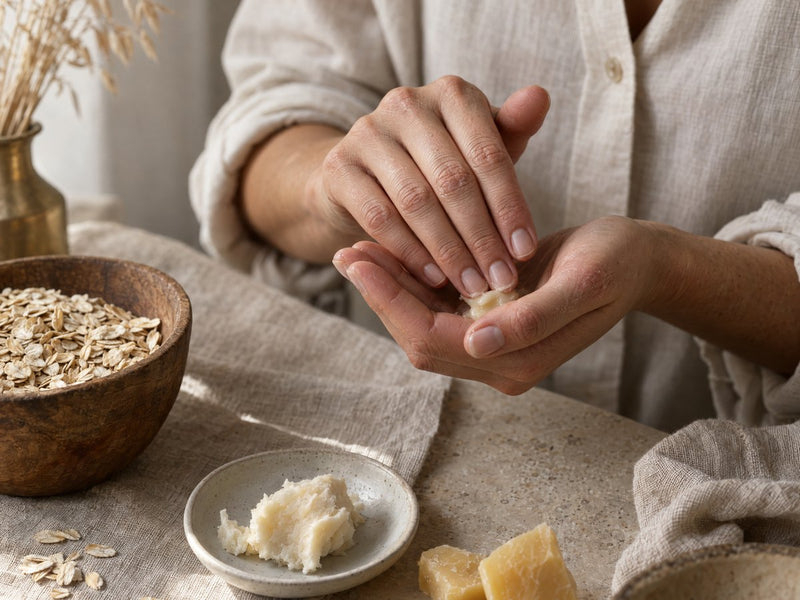
How to moisturise very dry skin naturally
Tight or flaky skin: five simple steps, the natural ingredients that have been studied, what we know about beef tallow and the signs that call for medical advice.

How to reduce under-eye bags: 7 approaches and their limits
Temporary puffiness or a persistent bulge? Explore seven everyday habits, medical options and the limits of skincare for the eye area.

Lymphatic drainage: 7 traditional home remedies to know
Walking, cool showers, massage and herbs: explore seven traditional habits for heavy legs, their limits and the precautions to know.

Lymphatic drainage: benefits, how it works and techniques
Lymphatic drainage is a massage technique that aims to support the flow of lymph, a fluid essential to tissue balance and the functioning of the immune system.

Best tallow balm: a 2026 comparison of 6 brands
Six brands of beef tallow balms compared: formula, origin of ingredients, format, and price. An ADEPSIA editorial grid to understand their differences.
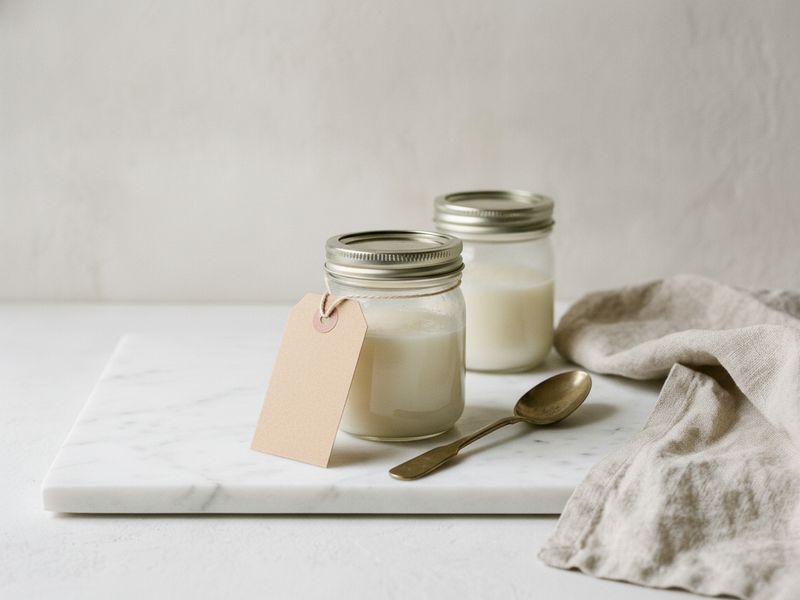
How to store beef tallow and how long it keeps
Beef tallow is one of the most stable fats available: its low polyunsaturated fatty acid content makes it highly resistant to oxidation. When stored properly, it keeps for a year at room temperature and for several years when refrigerated. Here are the actual shelf lives, the three enemies to avoid, and the signs that it has gone rancid.
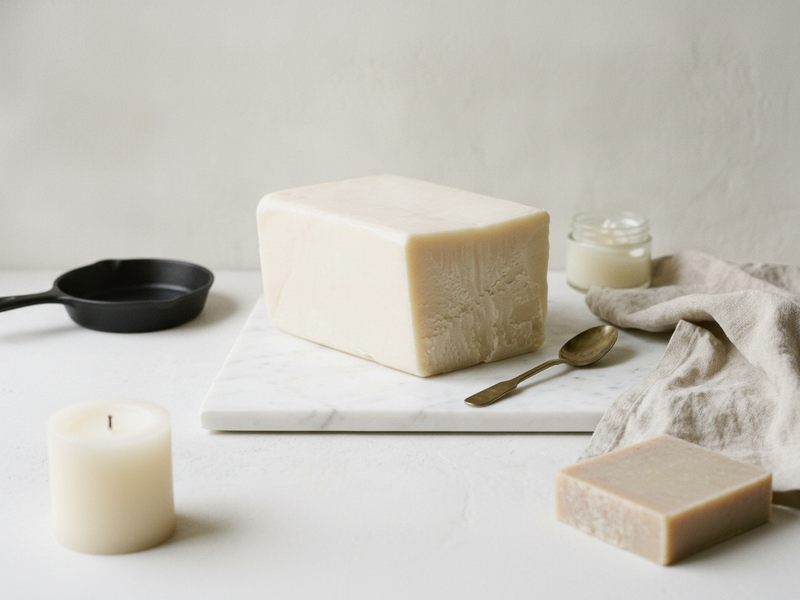
What is beef tallow used for?
Beef tallow is used for three very different things: nourishing the skin, cooking food, and maintaining materials like leather. These uses do not require the same product, and that is the most common point of confusion on the subject. Here is what tallow actually does, use by use.

What is beef tallow? Definition, composition and uses
The word "suif" (tallow) comes from the Latin *sebum*, just like "sébum." Here is what beef tallow actually is, what it is composed of, how it is produced, and why this vocabulary coincidence is not entirely one.

Beef tallow for hair: what it really does
You read everywhere that beef tallow "repairs" damaged hair and is "rich in collagen." Both are false. What it actually does is more modest, but useful: it coats the hair. Here is what research says, why tallow acts on the surface, and the precise instructions for use.

Beef tallow smoke point: comparing cooking fats
Beef tallow has a smoke point of around 200°C, which puts it above any domestic deep-frying temperature. But the smoke point is the most misunderstood criterion in cooking: it says almost nothing about a fat's actual resistance to heat. Here is the complete table, and the criterion that matters more.

How to use tallow on your face: amount and routine
Everyone explains why beef tallow is good for the skin. Almost no one explains how to apply it. Actual quantity, timing, order in your routine, body uses: the complete guide, and the mistakes that ruin most first attempts.

Tallow vs petroleum jelly: what each does
Petroleum jelly reduces skin water loss by up to 98%, better than any natural fatty substance. But it does not contain a single fatty acid. Petroleum jelly seals, tallow rebuilds: two strategies, not two qualities.

Seed oils in skincare: what the research says
The rejection of seed oils started on the dinner plate. The problem is that the argument doesn't hold up once it travels: eating an oil and applying it to the skin are two completely different things. There is, however, a real issue, and it does not concern the oil itself but its state.

Tallow vs shea butter: comparing the two for skin
Two figures are enough to explain everything: the proportions of stearic acid and palmitic acid. Comparative compositions, cases where shea butter prevails, cases where tallow has the advantage, and the trap of refined shea butter.

Sunburn: comparing tallow, aloe vera and coconut oil
Aloe vera, coconut oil, or beef tallow after a day in the sun? These three do not serve the same purpose, and more importantly, they should not be applied at the same time. What each one truly provides, the protocol for the first 24 hours, and the remedies to avoid.

Where to buy beef fat: what to ask for
Beef fat has once again become a sought-after ingredient, both in cooking and cosmetics. The problem is that it is almost never found on store shelves. Here is where to actually buy it, which cut to ask for, at what price, and why butcher's fat is not the same thing as cosmetic tallow.

Tallow in skincare: using an animal by-product
When thinking of "zero-waste cosmetics," one rarely imagines a jar of beef fat. Yet, tallow may be the ingredient most consistent with the idea of circular beauty: a material that already exists, and which would be wasted if we did not give it a second life on our skin.

Is beef tallow comedogenic: myth or reality?
Beef tallow has taken over TikTok, presented by turns as a remedy for dry skin and as an aberration that clogs pores. Here is an honest answer, skin type by skin type, based on what dermatologists actually have to say.

Microplastics in cosmetics: how to read the label
Exfoliating beads, invisible films, glitter: microplastics are everywhere in our cosmetics. Here is what they are, their impacts, the current state of regulations, and how to spot them on the label.

Honey for skin: what the research says
Moisturizing, antibacterial, soothing, antioxidant: long before the cosmetic industry, our ancestors already knew the value of what the hive produced. Here is what honey really does for the skin and hair, how to use it, five homemade recipes, and the precautions you should know.

Tanning without sunscreen: what to know
We have been taught to coat our skin with cream at the slightest hint of sun. But what if much of the solution lay on our plates, in patience, and in skin built on the right fats?

Essential oils for acne: what to know before use
Some essential oils have become staples for blemish-prone skin. But which ones really help, how can you use them without causing irritation, and why is a carrier oil just as important? Here is a simple, honest, and practical guide.

Tallow and rosacea: what to know before use
Rosacea weakens the skin barrier. Beef tallow, with a profile similar to that of human sebum, naturally appeals to dry and reactive skin in need of comfort. Here is everything you need to understand to use it appropriately.

The benefits of beef tallow for skin
A lipid profile close to sebum, fat-soluble vitamins, and long-lasting hydration. Here is what beef tallow really brings to the skin, who it is suitable for, and what research confirms today.